Physical paint protection
Paint protection film installation in Hamilton
Paint protection film is designed for the places that take physical abuse from road debris. Coverage is matched to the vehicle, its current paint condition and how it is driven rather than sold as a generic package.
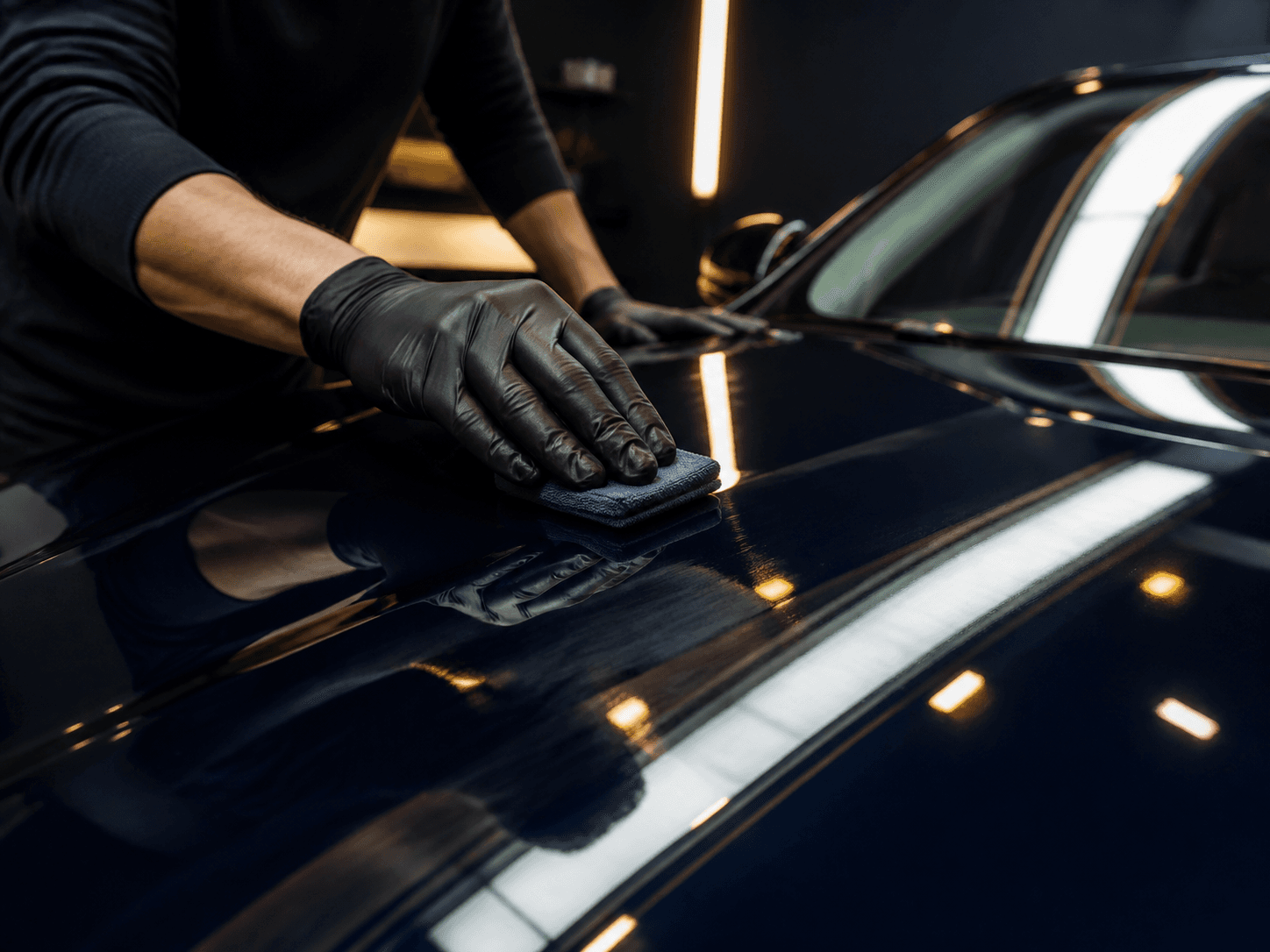
What this service is designed to do
Impact-area coverage
Film can protect selected high-exposure panels from ordinary chips, scuffs and road debris.
Vehicle-specific fit
Coverage and installation approach are reviewed for the vehicle’s panel shapes, condition and finish.
Compatible protection plan
PPF can be combined with appropriate coating and maintenance when the products and surfaces are compatible.
This service is quoted individually
Results depend on your vehicle's paint and condition, so we review photos or inspect the vehicle before giving you an exact price and timeline.
How we approach the work
- Step 1
Coverage consultation
We identify the areas you want protected and inspect the paint for damage or previous repairs.
- Step 2
Surface preparation
The selected panels are thoroughly cleaned and prepared so contamination is not trapped beneath the film.
- Step 3
Installation and inspection
Film is positioned, finished and inspected before the vehicle is released with care instructions.
Who it is a good fit for
- • New or recently corrected paint
- • Highway-driven vehicles
- • High-impact front panels and rocker areas
- • Owners prioritizing physical chip protection
Aftercare
Follow the initial cure guidance, avoid directing pressure-washer spray at film edges, and use safe washing products. Contact the shop if an edge lifts rather than trimming it yourself.
Frequently asked questions
Is PPF the same as ceramic coating?
No. PPF is a physical film intended to absorb minor impacts; ceramic coating is a liquid-applied layer focused on contamination resistance and easier maintenance.
Can PPF be installed over damaged paint?
Existing chips, failing paint or poor repairs may remain visible or create adhesion concerns. We inspect the vehicle before recommending installation.
Do I need full-vehicle coverage?
Not necessarily. Many drivers prioritize the front bumper, hood, fenders, mirrors or other high-impact areas based on driving habits and budget.